Physical Address
304 North Cardinal St.
Dorchester Center, MA 02124
Physical Address
304 North Cardinal St.
Dorchester Center, MA 02124

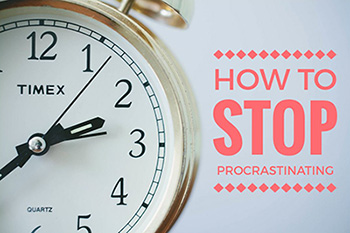
We have all been there. You sit down to finish an important task, and suddenly you are reorganizing your desk, checking messages, or scrolling social media. Hours pass, the deadline gets closer, and the guilt grows. If you want to know how to stop procrastinating, the good news is that it is a habit you can change, and you do not need extreme willpower to do it.
In this guide, you will learn why we procrastinate and seven practical strategies to start tasks sooner and finish them with less stress.
Procrastination is the habit of delaying a task you know you should do, even when you understand the delay will cause problems. It is not laziness. Most people who procrastinate care deeply about their work. They simply struggle with the uncomfortable feelings the task brings up.
Researchers often describe procrastination as a problem of managing emotions, not managing time. When a task feels boring, confusing, or stressful, our brain looks for quick relief, and distractions provide it. Common triggers include:
Understanding your own trigger is the first step. Once you know why you are avoiding a task, you can choose a strategy that fits.
A task like “write the report” feels heavy. A task like “write the first paragraph” feels easy. Split your work into small steps that take 15 minutes or less. Finishing a small step builds momentum and makes the next one easier to begin.
If a task takes less than two minutes, do it right now. For bigger tasks, commit to working on them for just two minutes. Most of the resistance comes from starting, and once you begin, you will often keep going.
Set a timer for 25 minutes and work on one task with no interruptions. When it rings, take a five-minute break. After four rounds, take a longer break of 15 to 30 minutes. Working in short bursts makes difficult tasks feel manageable and keeps your focus fresh.
Willpower is unreliable, so change your environment instead. Put your phone in another room, close extra browser tabs, and turn off notifications. If social media is a problem, use a website blocker during work sessions.
Vague goals like “work on my project” are easy to ignore. Make them specific: “Write 300 words before lunch.” Give yourself a deadline for each small step, and tell a friend or colleague about it. A little accountability goes a long way.
Choose the one task you are most likely to avoid and do it first thing in the morning, when your energy is highest. Once it is done, the rest of your day feels lighter, and you avoid carrying the dread around.
Beating yourself up for procrastinating usually makes it worse, because guilt is another unpleasant feeling to avoid. Instead, notice what happened, forgive yourself, and start again with a small step. Self-compassion helps you recover faster and try again.
Is procrastination a sign of laziness? No. It is more often linked to stress, fear, or feeling overwhelmed than to a lack of effort.
What is the fastest way to stop procrastinating? Start with the two-minute rule. Commit to working for just two minutes, and let momentum carry you forward.
Can procrastination be a sign of a bigger problem? Sometimes. If it is constant and affects your work, health, or relationships, or comes with anxiety or low mood, consider speaking with a qualified professional.
Learning how to stop procrastinating is about building small habits, not forcing yourself to be perfect. Pick one strategy from this list, try it today, and notice how it feels. Small steps, repeated daily, are what turn avoidance into action. Which one will you start with?