Physical Address
304 North Cardinal St.
Dorchester Center, MA 02124
Physical Address
304 North Cardinal St.
Dorchester Center, MA 02124

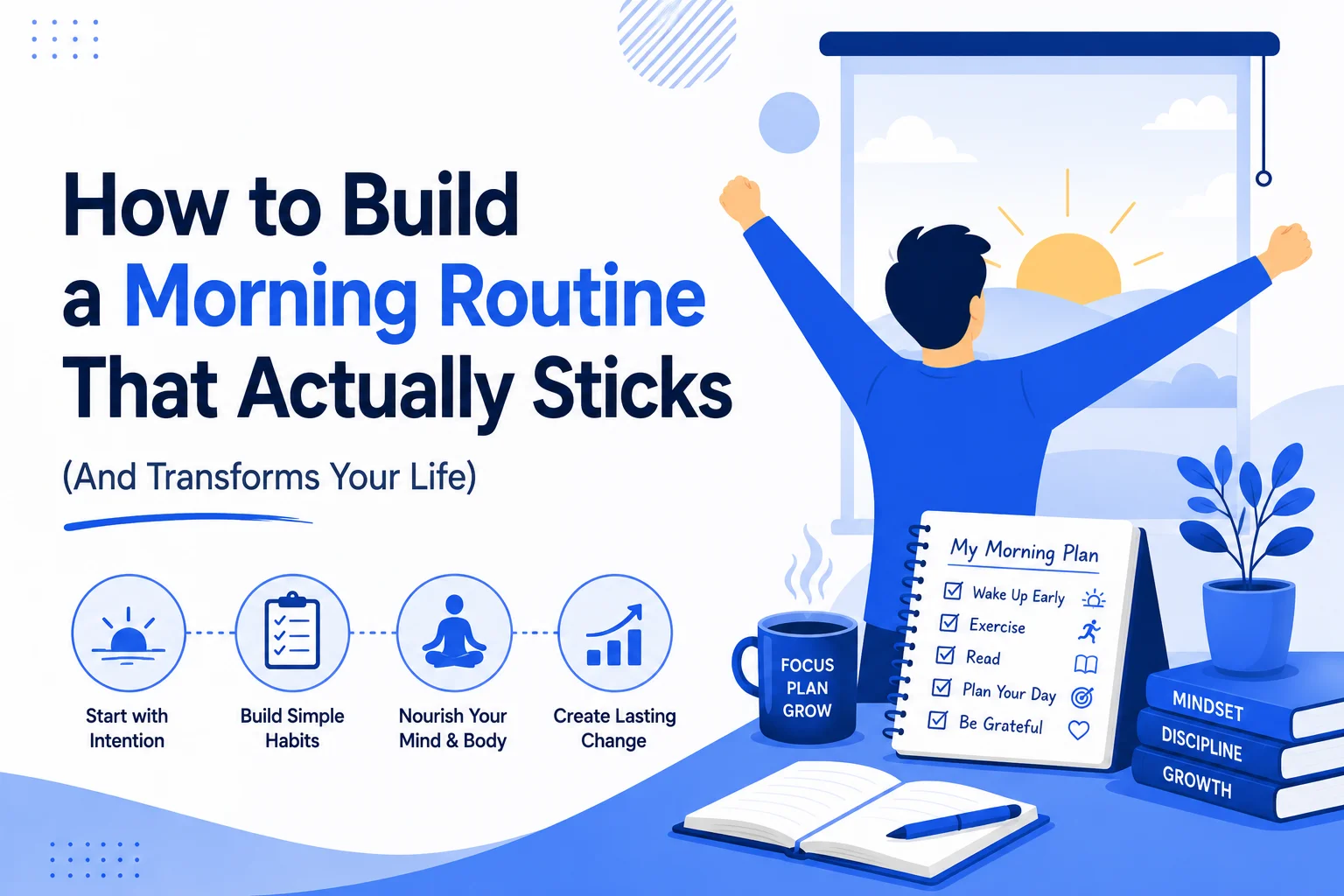
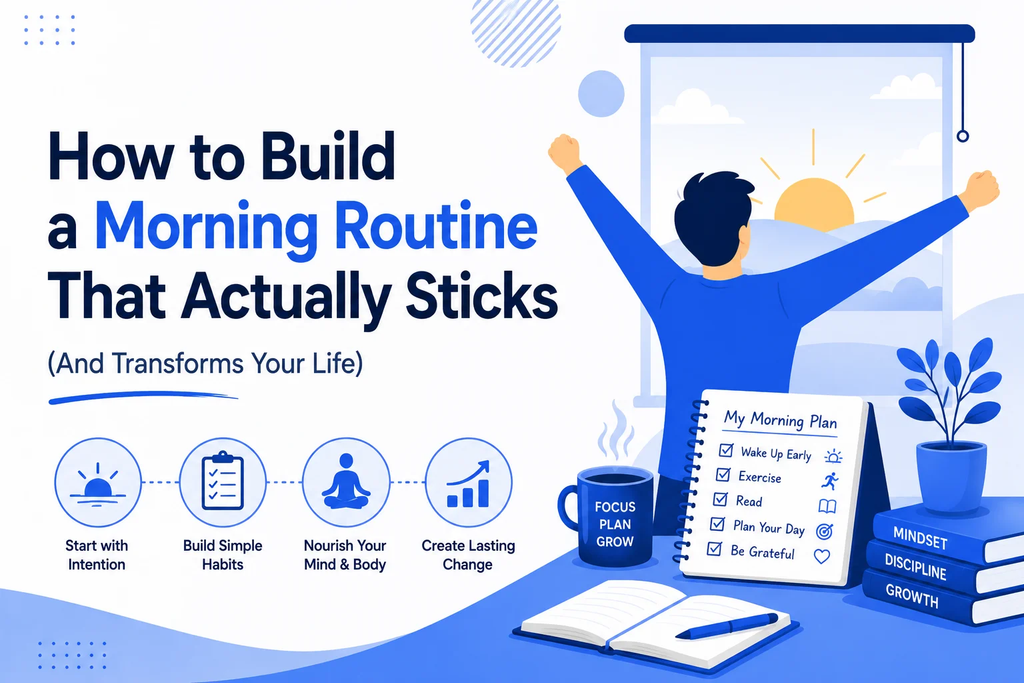
Most morning routines die within two weeks. You watch a video, wake up at 5 a.m. for three days, try to fit meditation, a workout, journaling, and a green smoothie into one hour, and then an ordinary Tuesday crashes into the plan. By Friday, the alarm is snoozed and the routine feels like one more thing you failed at.
The routine itself usually isn’t the problem. The design is. A morning routine that sticks is not the most impressive one. It is the one simple enough to survive a bad night’s sleep, a busy week, and a low-energy mood. This guide shows you how to build that kind of routine, step by step.
The first hour after waking is the part of the day you control most. Emails haven’t arrived, other people’s plans haven’t landed on you, and your mind hasn’t yet been pulled in a dozen directions. What you do in that window quietly shapes how the rest of the day feels.
This doesn’t mean you must wake up before sunrise. Plenty of productive people are night owls. What matters is having a short, predictable start that tells your brain, “We’re beginning now, and we’re beginning on purpose.” That small sense of intention is what reduces the scattered, reactive feeling many of us carry through the day.
A routine also removes decisions. When you don’t have to decide what to do first, you save mental energy for things that actually need it. Over weeks, that predictability becomes calming in itself.
This 30-minute routine fits most schedules. Adjust the order and timing to suit your own life.
| Minutes | Habit | Why it helps |
|---|---|---|
| 2 | Drink a glass of water | Rehydrates after sleep and gives you an easy first win |
| 5 | Gentle stretching or a short walk | Wakes up the body without needing a full workout |
| 5 | Quiet breathing or mindfulness | Settles the mind before the day gets noisy |
| 10 | Healthy breakfast | Steady energy instead of a mid-morning crash |
| 5 | Write your top three tasks | Gives the day a clear direction |
| 3 | Read or listen to something uplifting | Starts your thinking on a positive note |
On a rushed day, keep just the first and last habits. That is your minimum version, and it still counts.
A good morning routine isn’t about perfection or early alarms. It is about giving yourself a calm, intentional start, one small habit at a time. Begin with two or three simple actions, tie them to something you already do, and keep a minimum version ready for hard days.
Give it two weeks before judging it. Notice how you feel, adjust what doesn’t fit, and let the routine grow slowly. Over time, those quiet first minutes become the foundation of a steadier, more focused day, and a life that feels more like your own.